



- Published on: 2026-03-10 16:29:00
The Iran–Israel War — Oil, Prices, and Uncertainty
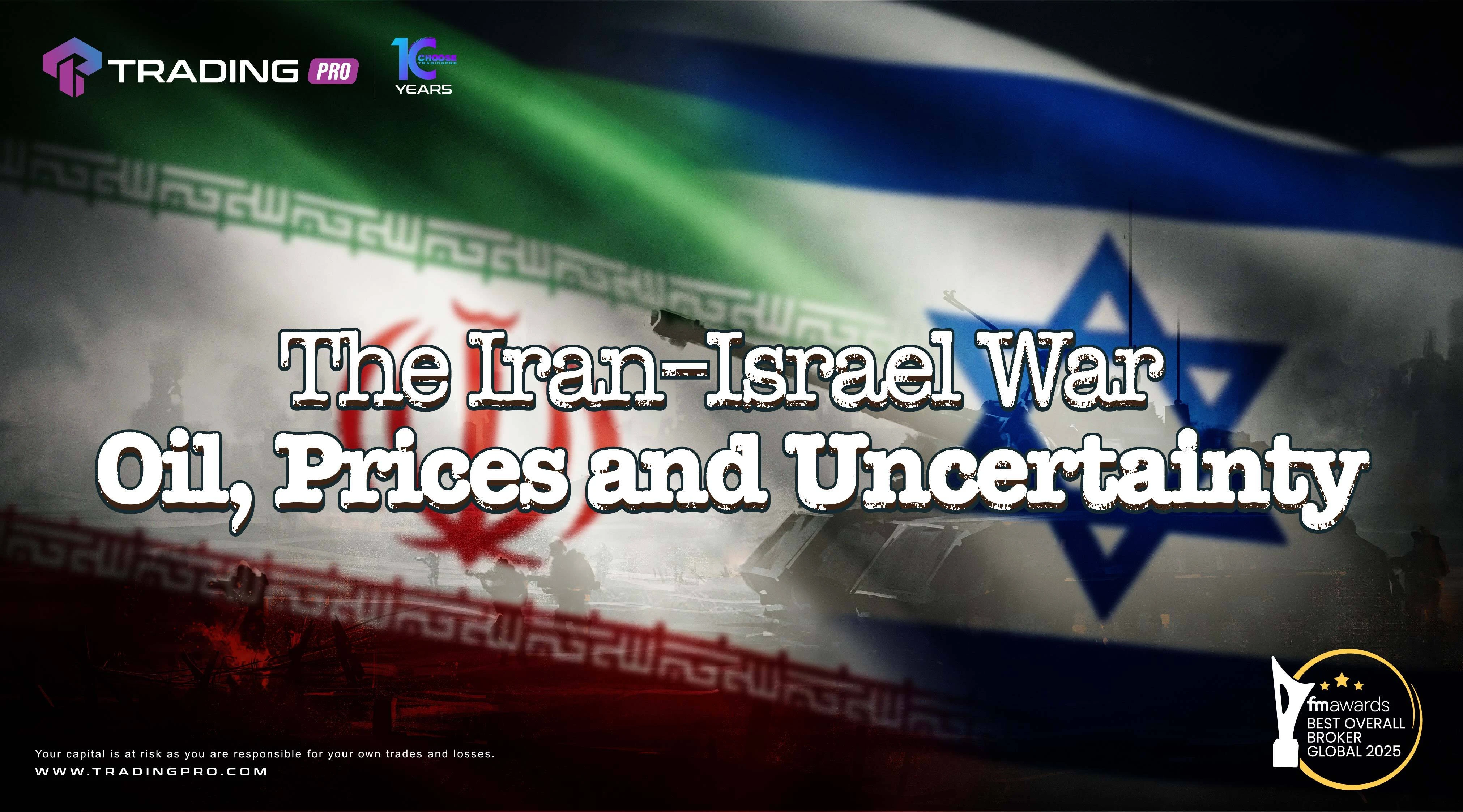
The long-running strategic tension between Iran and Israel has shifted decisively into open conflict, and the implications are now being felt far beyond the Middle East. What began as a decade of indirect engagements and regional proxy battles has escalated into direct military strikes — with consequences for global energy markets, inflation pressures, and economic stability that traders and everyday consumers cannot afford to ignore.
How It Escalated: A Conflict Timeline
On 28 February 2026, Israeli forces — operating in coordination with the United States — launched coordinated airstrikes on key Iranian military targets across several cities. The move marked a dramatic and defining shift from the prolonged shadow war that had defined the relationship for years.
Tehran retaliated almost immediately, launching missile and drone attacks on Israeli territory and allied positions across neighbouring Gulf states, including the United Arab Emirates, Qatar, Kuwait, and Bahrain. Within days, Lebanon's Iran-aligned Hezbollah entered the conflict with rocket barrages into northern Israel, prompting further Israeli strikes in response. The confrontation has widened both geographically and economically with each passing day.
A summary of the key developments:
- 28 February 2026 — Joint US–Israeli airstrikes on Iranian military targets commence
- Shortly after — Iranian missile and drone attacks strike Israel and US bases across the Gulf
- 1–2 March 2026 — Hezbollah launches rocket attacks from Lebanon into northern Israel
- Ongoing — Retaliatory exchanges continue across multiple fronts with no ceasefire in sight
Why This Matters: Energy and the Strait of Hormuz
The global shock radiating from this conflict is tied overwhelmingly to one thing: energy markets, and specifically oil.
The Strait of Hormuz — the narrow maritime passage between Iran and Oman — is one of the world's most critical energy arteries. Under normal conditions, approximately 20% of global oil supplies and a significant share of liquefied natural gas transit this chokepoint every single day. Since the conflict escalated, shipping companies and insurers have effectively halted tanker traffic through the strait, with vessels anchoring outside the area rather than risk passage. This is disrupting daily flows of crude oil, LNG, and petroleum products even without Iran formally declaring a blockade — and the market is already responding accordingly.
The Oil and Inflation Impact
The numbers tell a clear story:
- Brent crude has surged approximately 9–10%, climbing to around $81 per barrel as markets priced in Middle East risk
- European gas futures have jumped over 20% amid mounting supply concerns
- Tanker traffic through the Strait of Hormuz has been cut by an estimated 70–100%
These are not abstract financial statistics. Higher energy prices ripple directly through transportation costs, logistics networks, and consumer spending — and European authorities have already warned that prolonged conflict could push inflation meaningfully higher while simultaneously dampening economic growth. The energy shock is real, and it is feeding into the broader cost structure of the global economy.
Global Market and Trade Reactions
The financial market response has been swift and broad-based:
- Stock markets — European indices fell sharply following the escalation, with major benchmarks sliding as energy prices rose and risk sentiment deteriorated
- Safe haven assets — Gold and traditional safe havens have appreciated in response to heightened uncertainty and the flight from risk assets
- Energy and defence equities — Oil sector stocks and defence-related equities have strengthened as markets price in a prolonged risk environment
- LNG and transport — Drone attacks on Qatar's LNG infrastructure have pushed gas prices sharply higher, compounding global energy cost pressures
Even without a formal, long-term closure of the Strait of Hormuz, the current disruptions demonstrate with uncomfortable clarity just how sensitive global supply chains have become to geopolitical risk — and how quickly that sensitivity translates into market volatility.
What Happens Next? Four Possible Scenarios
The economic and market impact of this conflict will ultimately depend on its duration and the breadth of further escalation. Four scenarios are currently on the table:
1. Contained Escalation Military exchanges continue but remain limited to airstrikes, missile salvos, and localised attacks. Energy markets hold a moderate risk premium, but supply lines stay open enough to prevent structural shortages. Prices remain elevated but broadly stable.
2. Prolonged Multi-Front Pressure Allied groups maintain sustained pressure beyond existing borders, and conventional supply routes remain uncertain for an extended period. Oil markets stay tight, inflation pressures persist, and volatility remains well above normal. Safe-haven demand and risk premiums stay elevated across asset classes.
3. Broader Regional Expansion A significant miscalculation — such as major damage to export terminals or the formal blockage of Hormuz transit routes — could push oil prices dramatically above current levels, with severe knock-on effects on global inflation, transport costs, and economic growth across both developed and emerging markets.
4. Rapid Diplomatic De-escalation Sustained international mediation or an agreed ceasefire moderates conflict intensity. Markets would likely see a meaningful reduction in volatility, a reversal of risk premiums, and a gradual normalisation of energy flows. This remains possible but represents the most optimistic path from the current position.
The Broader Context
This is not the first time the Iran–Israel relationship has sent shockwaves through global markets. The 2025 clashes that briefly disrupted tanker movements and spiked oil prices offered a preview of what geopolitical risk in this region can do to energy pricing. But the scale of the current conflict — the involvement of multiple active fronts, US military participation, and the near-standstill of tanker traffic through the world's most critical oil chokepoint — marks this as a qualitatively larger and more consequential event.
The central question is no longer whether this conflict will have a global impact. It already has. The question now is how far it spreads and how long it lasts.
This war is here. Oil prices have jumped. And uncertainty has become the new baseline — for markets, for businesses, and for the cost of everyday life.
Stay ahead of geopolitical risk and its market impact with TradingPRO.
Join the TradingPRO community and get access to daily market analysis, trading psychology guides, and strategy breakdowns — completely free.
Facebook | Instagram | Telegram | LinkedIn | Twitter (X)


